Public finances
Debt and the deficit: two numbers, two different questions
A clear guide to annual borrowing, accumulated debt and comparisons with the size of the economy.
Goods, services and the meaning of a trade balance—without treating one number as a national scorecard.
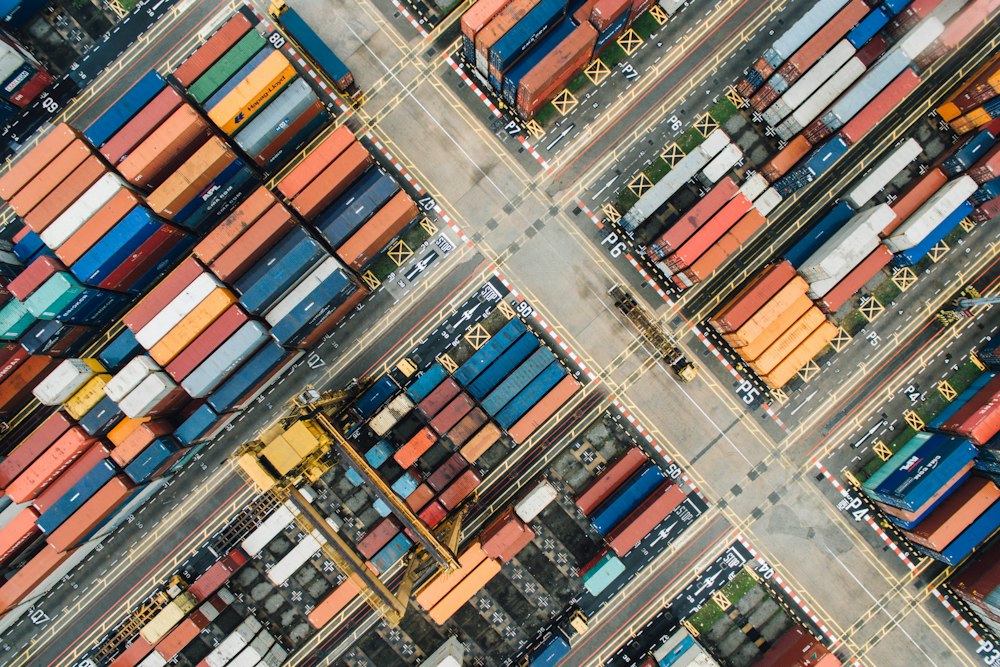
Images of ports make trade easy to picture: containers arrive, lorries leave and products reach shops. But international trade also includes services. Design, consultancy and other work can be supplied across borders without a finished physical product passing through a harbour. A goods-only headline therefore describes one part of a wider picture.
A fictional British design studio might buy computer equipment from overseas while selling a project to an overseas client. It can be both an importer and an exporter. The imported equipment is an input to its activity, while the service sale is a separate transaction. Real businesses often have similarly intertwined relationships.
The trade balance subtracts imports from exports. When exports exceed imports, the balance is a surplus; when imports exceed exports, it is a deficit. Always check whether a headline refers to goods, services or the combined total. Different components can move in opposite directions during the same period.
The balance is not a complete judgement on economic performance. Imports may include machinery used to expand production or products households choose to consume. A reduction in imports might reflect substitution towards domestic supply, but it could also reflect weaker spending. The same direction of movement can have different explanations.
Trade values can change because prices change, because quantities change, or both. If a business pays more for the same quantity of an imported input, its import bill rises without a matching increase in physical shipments. Exchange-rate movements and the currency used in contracts can complicate the comparison further.
For a hypothetical example, a buyer purchases ten identical components at £20 each in one period and £25 each in the next. The cash bill rises from £200 to £250 while the number purchased is unchanged. This is why reports distinguishing current-price values from volume measures offer useful additional context.
Check the period, whether seasonal effects have been addressed and whether the figures describe values or volumes. One unusually large transaction can make a short-term movement look dramatic. Definitions also matter when comparing different statistical systems: ONS has explained that its balance-of-payments approach focuses on changes in economic ownership.
The practical conclusion is to ask what changed beneath the total. Which goods or services contributed? Was the movement driven by prices or demand? Does a longer period show the same pattern? Those questions turn a headline balance into an account of actual economic relationships, rather than a simplistic competition between selling and buying.
No. Businesses may import equipment, components or services that support their own output. The economic effects depend on the wider circumstances.
Yes. They cover different transactions, so a goods deficit and a services surplus can coexist.
These links provide definitions and background. Check the latest official release before using any current figure. Numerical examples in this article are illustrative.
A clear guide to annual borrowing, accumulated debt and comparisons with the size of the economy.
Revisions are part of building a fuller statistical picture. Here is how to read them calmly and consistently.
Why a busy shop can still face pressure, and why one cheaper input may not bring an immediate price cut.